
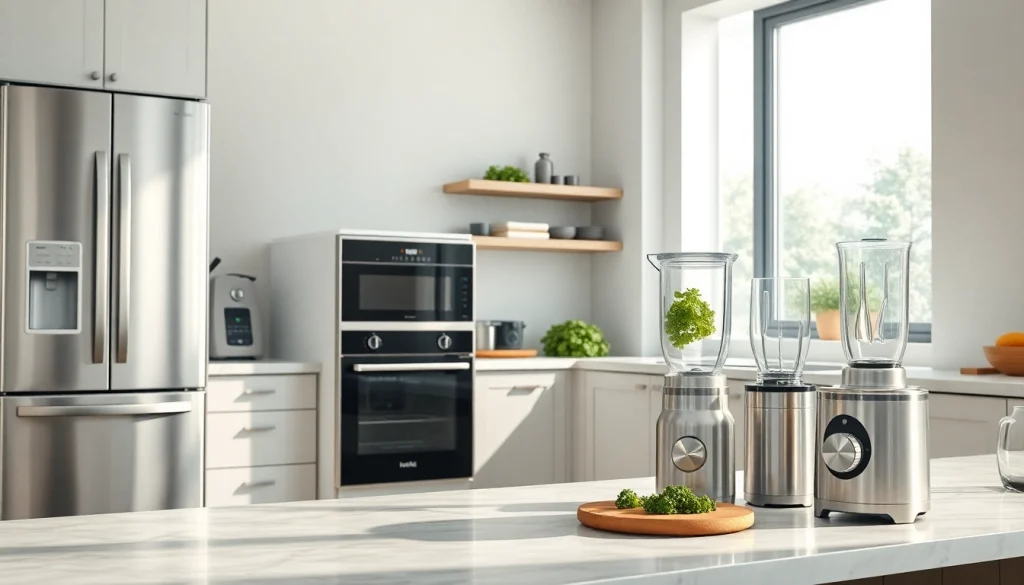
Understanding Home Appliances and Their Importance
Home appliances are essential tools that simplify daily living and enhance the comfort of our homes. They range from small gadgets like toasters and coffee makers to larger units such as refrigerators and washing machines. They play a crucial role in our everyday routines, freeing up time and energy for tasks that matter most. Choosing the right home appliances can significantly impact your quality of life.
Defining Home Appliances
Home appliances refer to machines or devices designed to assist in a variety of household tasks. They can be electrified or utilize other forms of energy to operate efficiently. Generally, they fall into two categories: major and small appliances. Major appliances, also known as white goods, include large units essential for vital functions within the home. These often have a significant impact on the overall efficiency and comfort of a living space. Small appliances, on the other hand, are portable or semi-portable and usually cater to various tasks like cooking or cleaning.
Types of Home Appliances
The landscape of home appliances is broad and varied. Major appliance types include:
- Refrigerators and Freezers: Essential for food preservation.
- Ovens and Stoves: Integral for cooking and baking.
- Washers and Dryers: Crucial for laundry tasks.
- Dishwashers: Designed to automate dish cleaning.
Small appliances cover a range of devices such as:
- Coffee Makers: For brewing customized beverages.
- Blenders and Food Processors: For food preparation.
- Vacuum Cleaners: Keeping living spaces tidy.
- Toasters and Microwaves: For quick meal solutions.
Benefits of Upgrading Home Appliances
Upgrading your home appliances comes with numerous benefits. Enhanced energy efficiency is one of the most immediate advantages. Modern appliances typically consume less energy, thereby reducing utility bills over time. With newer tech, many appliances also include safety features that can prevent accidents or damage. Furthermore, updated models often have improved functionality, which streamlines tasks and enhances convenience.
Choosing the Right Home Appliances for Your Needs
Selecting the appropriate home appliances for your household can be daunting, given the plethora of options available. However, understanding your space and needs will facilitate a smarter buying decision.
Assessing Your Space
Before purchasing, it’s vital to measure your available space. Consider the dimensions of your kitchen or laundry area and ensure that new appliances fit comfortably without obstructing pathways. Additionally, think about the layout of your home and how the new appliances will integrate with existing furniture and design.
Energy Efficiency Considerations
Energy efficiency is an essential factor in today’s appliances. Look for appliances that have the Energy Star label, which indicates that they meet energy efficiency guidelines set by the EPA. Not only will this help you save on energy costs, but it also contributes to environmental sustainability. Take a look at the usage rates: more efficient appliances often save more money in the long term despite a potentially higher upfront cost.
Budgeting for Home Appliances
Establishing a realistic budget is crucial. While high-end appliances come with an appealing range of features, numerous budget-friendly options offer similar functionalities. Be sure to consider long-term costs associated with energy consumption and maintenance in your budget calculations. Additionally, watch for sales and promotions, which can offer significant savings.
Innovative Features in Home Appliances
With technology’s rapid evolution, home appliances have become more sophisticated, offering a variety of innovative features that cater to modern living.
Smart Technology in Home Appliances
Smart home appliances utilize artificial intelligence and connectivity to streamline household tasks. Features such as remote operation via smartphones or voice-activated controls make daily routines more manageable. Smart refrigerators can inform users when contents are running low, while smart ovens offer recipe recommendations based on chosen ingredients. These appliances often sync with home management systems for seamless integration.
Design Trends to Watch
Design aesthetics are vital in creating a harmonious living space. Current trends focus on sleek, minimalist designs that blend functionality with visual appeal. Stainless steel finishes, matte black surfaces, and retro designs add elegance, while customizable color options allow for personal expression. Additionally, more consumers are prioritizing eco-friendly materials, reflecting a shift toward sustainability.
Brands Leading the Market
While we’re not naming specific brands here, numerous companies are dedicated to producing innovative and quality home appliances. It’s essential to stay informed on leading brands that consistently adapt to market trends while delivering reliable products. Reading user reviews and exploring consumer reports can help you understand why certain brands consistently receive accolades for performance and satisfaction.
Maintaining Your Home Appliances
To ensure longevity and optimal performance, a systematic maintenance routine for home appliances is necessary. Neglecting maintenance can lead to inefficiency and costly repairs.
Regular Maintenance Tips
Simple maintenance tasks include cleaning and inspecting appliances regularly. For instance, vacuum the coils of your refrigerator, degrease oven surfaces, and regularly clean the dishwasher filter. Consulting the user manual provides specific guidelines for individual appliances to prevent unnecessary wear and tear.
Common Issues and Solutions
Despite best maintenance practices, appliances may occasionally malfunction. Common issues include unresponsive controls, leaks, or unusual noises. Identifying problems early can often simplify repairs. For example, if a washing machine is leaking, check hoses for wear and tear. Understanding typical appliance issues can save both time and money.
When to Seek Professional Help
While DIY repairs can be economical, some situations warrant calling a professional. If issues are complex or involve electrical or gas components, professional intervention is recommended for safety. Additionally, when an appliance is still under warranty, having it serviced by an authorized technician is often advisable to avoid voiding any agreements.
Future of Home Appliances
As technology continues evolving, so will the landscape of home appliances. The future holds exciting possibilities.
Sustainable Innovations
Future home appliances will prioritize sustainability, focusing on reducing energy consumption and utilizing eco-friendly materials. Innovations such as solar-powered appliances or those using recyclable materials will rise as consumer preference shifts toward environmentally responsible products.
The Rise of AI and Automation
AI and machine learning are set to revolutionize home appliances by making them smarter. Predictive technology will allow appliances to learn from usage patterns, optimizing functionality and energy use automatically. As the Internet of Things (IoT) expands, the synergy between appliances will create a fully interconnected home environment.
Your Role in Shaping the Future
Consumers hold considerable power in shaping the future of home appliances through buying choices. Prioritizing energy-efficient products and supporting brands committed to sustainability can accelerate change within the industry. Participating in discussions and providing feedback will help manufacturers understand consumer wants and drive innovation further.
Frequently Asked Questions
What are the essential home appliances for a new home?
Essential home appliances include a refrigerator, stove, oven, washing machine, dryer, and microwave. These items cater to basic cooking, cleaning, and food storage needs.
How often should home appliances be maintained?
Regular maintenance should be conducted monthly, while deep cleaning should occur seasonally. Check manuals for specific guidelines on upkeep from manufacturers.
Are smart home appliances worth the investment?
Yes, smart home appliances can enhance convenience, improve energy efficiency, and offer valuable features that save time and effort in household management.
What energy-saving tips should I follow?
To save energy, consider using ENERGY STAR appliances, unplugging devices when not in use, and running dishwashers and laundry machines only with full loads.
How do I know if I need a new appliance?
Signs that you may need a new appliance include frequent breakdowns, outdated technology, high energy costs, and consistent performance issues. Consider replacement if repairs exceed half the replacement cost.