
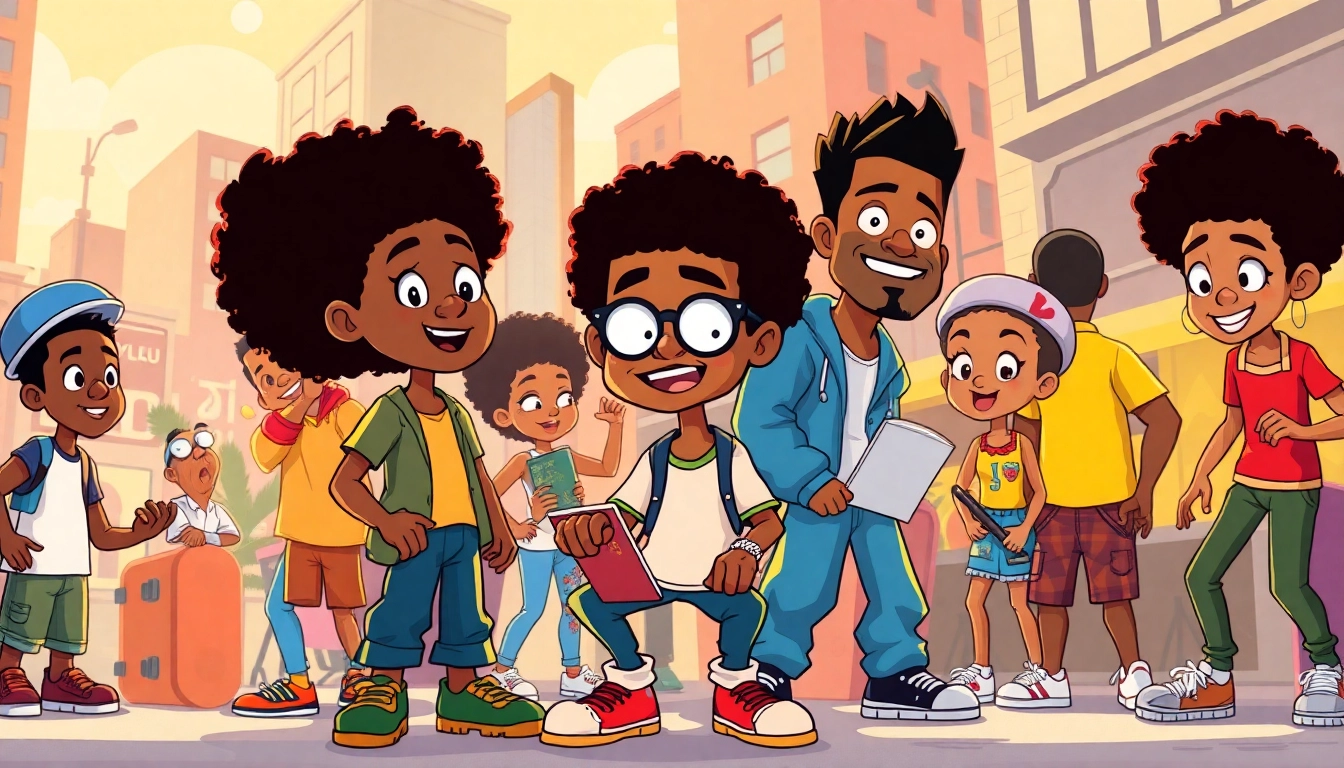
The Cultural Impact of African American Cartoons
The animated landscape of the United States has been profoundly shaped by African American cartoons, which have served as both entertainment and cultural commentary. These shows and characters have not only entertained audiences of all ages but have also played a significant role in promoting diversity and representation in animation. From the early days of animation to the present, the contributions of African American creators and characters have established a noteworthy legacy that deserves recognition. This article explores the rich history and cultural significance of African American cartoons, highlights iconic characters, and provides insight into their lasting impact on society.
1. Historical Overview of African American Animation
The journey of African American animation began long before the golden age of television. Early cartoonists like Fleischer Studios and Warner Bros. occasionally included Black characters, but these portrayals were often steeped in stereotypes. However, the 1970s marked a turning point with series like Fat Albert and the Cosby Kids and The Jacksons, which focused on relatable stories and authentic representation. By the late 1990s and early 2000s, networks began to embrace diversity with shows like The Proud Family and The Boondocks, produced by creators who understood the nuances of African American culture.
2. Representation Matters: Impact on Society
Representation in African American cartoons is crucial, as it allows young audiences to see themselves reflected in a positive light. Characters like Huey and Riley Freeman from The Boondocks offer not just humor but also incisive social commentary on issues affecting the African American community. Such portrayals help to foster understanding and empathy among all viewers while empowering Black children to embrace their identity and culture.
3. Iconic Characters and Their Legacy
The legacy of African American cartoons is largely defined by its characters. Figures like Frozone from The Incredibles and Doc McStuffins have become role models for younger generations, emphasizing themes of heroism, intelligence, and compassion. These characters have transcended the screen, becoming cultural icons that represent a shift towards inclusivity in mainstream animation. Furthermore, shows like Craig of the Creek have continued this trend by featuring diverse characters and exploring unique life experiences, reinforcing the importance of representation in storytelling.
Top African American Cartoons to Watch in 2026
As we look towards 2026, the landscape of African American cartoons continues to evolve, with new and exciting series making their mark. From family-friendly content to innovative storytelling, there are a plethora of shows that cater to diverse audiences.
1. Must-See Series for All Ages
Shows such as Young Justice not only entertain but also educate viewers on complex social issues through their diverse cast and storylines. Similarly, Big Mouth has introduced a new generation of teenagers to conversations about race, identity, and puberty, reflecting current societal dynamics. These series are designed for a broad age range, ensuring that everyone can find a relatable character or story.
2. New Releases and Revivals
The revival of classic shows has reinvigorated interest in African American cartoons. Upcoming projects like the return of The Proud Family: Louder and Prouder highlight the significance of discussing contemporary issues through a familiar lens. New entries are continuously emerging that weave in traditional animation styles with modern narratives, ensuring these stories remain relevant and resonant.
3. Hidden Gems in Streaming Platforms
Streaming platforms have become a rich source for discovering hidden gems in African American animation. Titles like Motown Magic and Gumbo bring stories filled with cultural heritage and creativity to the forefront. Such content not only entertains but also educates viewers about African American culture, providing a sense of pride and connection to their heritage.
Character Development: A Closer Look
Character development in African American cartoons has undergone a transformative journey. This evolution reflects broader societal changes and the increasing demand for nuanced storytelling.
1. Evolution of Black Characters in Cartoons
Initially, Black characters in animation were often relegated to sidekicks or comic relief. However, the evolution towards complex, multi-dimensional characters is evident in series like The Boondocks, where characters grapple with identity and societal norms. This progression encourages a deeper understanding of the African American experience, allowing viewers to connect with these characters on multiple levels.
2. Voice Actors Who Made a Difference
Behind the scenes, the contributions of African American voice actors have played a pivotal role in shaping these characters. Talents like Phil LaMarr and Ernie Hudson have lent their voices to beloved characters, bringing authenticity and depth to performances. Their work showcases the importance of having diverse voices in storytelling, enriching the overall narrative and character authenticity.
3. How Storylines Reflect Cultural Themes
Storylines in African American cartoons often draw directly from cultural themes, addressing issues such as systemic inequality, family dynamics, and community resilience. For instance, Doc McStuffins tackles health and wellness while emphasizing the importance of determination and education. Such narratives not only entertain but also empower viewers to engage with these themes critically.
Engaging the Audience: Techniques and Strategies
The animation industry employs various techniques to engage audiences effectively, particularly in African American cartoons where cultural context plays a significant role.
1. Creative Storytelling in Animation
Creative storytelling is paramount in capturing the viewer’s interest. Animation allows for imaginative narratives that can explore fantastical concepts while reflecting real-world issues. Incorporating elements of humor, drama, and adventure makes the content accessible and relatable.
2. Visual Styles that Resonate
The visual styles utilized in African American cartoons range from traditional hand-drawn animation to modern CGI. Each style contributes to the storytelling experience; for instance, the vibrant colors and unique designs in Craig of the Creek enhance its playful narratives. These visuals resonate with audiences by offering a feast for the eyes that complements the story.
3. Interactive Content for Enhanced Viewer Experience
With the rise of digital media, interactive content has become an effective way to engage audiences. Many platforms now offer interactive games and activities related to popular shows, allowing viewers to immerse themselves in the stories they love. This interactive approach fosters a stronger connection between the characters and the audience.
Future Trends in African American Animation
The future of African American animation looks promising, with emerging trends set to further enrich the industry.
1. Technological Influences on Animation
Technological advancements are poised to revolutionize animation, offering new ways to create and distribute content. Innovations in virtual reality and augmented reality are beginning to shape how stories can be told and experienced, expanding the boundaries of traditional animation.
2. Predictions for New Series and Innovations
The landscape of animation is continuously evolving, with predictions of new series that will push the envelope of storytelling. The emergence of diverse creators in the industry bodes well for unique perspectives and narratives, encouraging more comprehensive representation across platforms.
3. The Role of Communities in Shaping Content
As communities engage more actively in content creation, their voices will shape the narratives presented in African American cartoons. This grassroots approach ensures that stories reflect authentic experiences and foster a greater connection to the audience, ultimately leading to richer storytelling.