
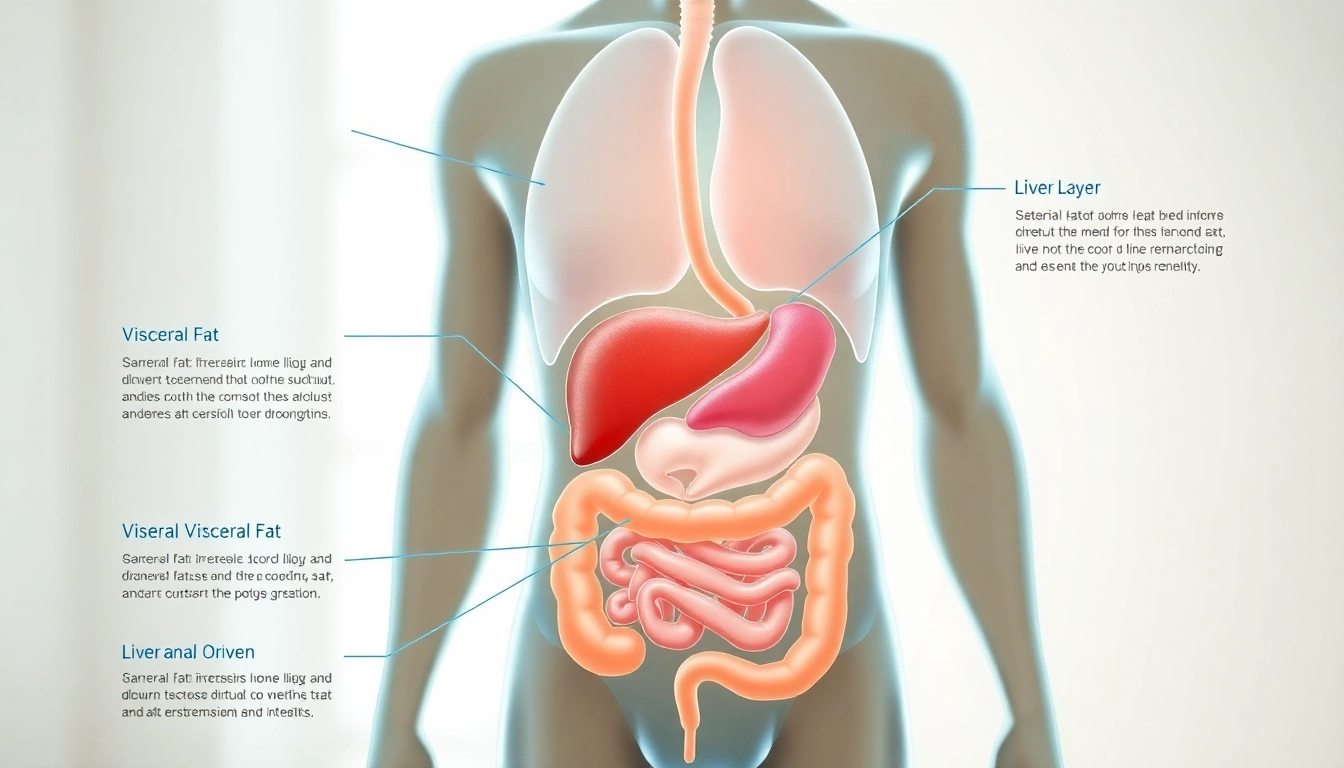
When discussing body fat, it’s crucial to differentiate between various types and their implications for health. One type that often garners attention—and concern—is visceral fat. Unlike subcutaneous fat, which lies just beneath the skin, visceral fat is stored deeper within the abdominal cavity, surrounding vital organs. This type of fat is significant not just for aesthetic reasons, but more importantly, for health outcomes. Understanding visceral fat can empower individuals to take control of their health. This comprehensive guide will explore what visceral fat is, the health risks associated with it, measurement techniques, strategies for reduction, and how to maintain a healthy body composition.
What is Visceral Fat?
Definition and Characteristics of Visceral Fat
Visceral fat is often referred to as “toxic fat” due to its association with various health complications. It is found deep in the abdominal cavity, nestled between the organs, including the liver, pancreas, and intestines. This type of fat is metabolically active, secreting hormones and inflammatory markers that can affect bodily functions. Unlike subcutaneous fat, which can provide some energy reserve, visceral fat is linked to serious health conditions and is regarded as the more dangerous fat type.
Comparison with Subcutaneous Fat
While subcutaneous fat is the layer that you can pinch and is generally less harmful, visceral fat is a hidden risk factor. Subcutaneous fat serves as insulation and cushioning for the body, but visceral fat can lead to metabolic disturbances, insulin resistance, and inflammatory responses. The presence of excess visceral fat in particular indicates an increased risk for diseases such as heart disease, diabetes, and certain cancers, illustrating why understanding the differences between these types of fat is vital.
Health Implications of Accumulated Visceral Fat
The health implications associated with visceral fat cannot be overstated. Accumulation of this fat is linked to an array of serious health issues. Research indicates that visceral fat can lead to inflammation within the body, a precursor to serious chronic conditions. Moreover, it may influence the development of a range of metabolic disorders, highlighting the importance of addressing visceral fat accumulation early.
Health Risks Associated with Visceral Fat
Metabolic Disorders Linked to Visceral Fat
Visceral fat is a known contributor to metabolic syndrome—a cluster of conditions that increase the risk for heart disease, stroke, and diabetes. Individuals with excess visceral fat often exhibit traits of metabolic syndrome, including high blood pressure, elevated blood sugar levels, excess body fat around the waist, and abnormal cholesterol levels. Addressing visceral fat is essential to mitigate the risk of developing these disorders and enhancing overall metabolic health.
Effects on Heart Health
The correlation between visceral fat and cardiovascular health is profound. Studies have shown that high levels of visceral fat are linked to increased risks of cardiovascular disease, largely due to its influence on inflammatory markers, insulin resistance, and dyslipidemia. People with high amounts of visceral fat are more likely to experience heart-related health issues, underscoring the critical need for effective strategies to reduce this fat.
Increased Risk of Diabetes and Other Chronic Conditions
Another severe health risk posed by visceral fat is its role in the development of type 2 diabetes. Excess visceral fat can result in insulin resistance, a condition where the body’s cells do not respond effectively to insulin. This can lead to elevated blood sugar levels, ultimately culminating in diabetes. Additionally, visceral fat is associated with an increased likelihood of developing conditions like sleep apnea, certain types of cancer, and liver disease.
How to Measure Visceral Fat
Tools and Techniques for Measuring Visceral Fat
Measuring visceral fat can be accomplished through several methods, each with its advantages and limitations. Common techniques include:
- Imaging Techniques: MRI and CT scans are highly accurate but expensive and usually not recommended for routine screening.
- Bioelectrical Impedance Analysis (BIA): This method estimates body composition, including visceral fat levels, by measuring how electrical currents pass through the body.
- Waist Measurement: A practical, at-home method. A waist circumference of over 40 inches for men and over 35 inches for women is indicative of higher visceral fat levels.
Interpreting Results: What Do Numbers Mean?
Understanding the results of visceral fat measurements is crucial for making informed health decisions. If visceral fat levels are high, it may require intervention through increased physical activity or dietary changes. Conversely, normal ranges suggest a lower risk for related health complications. Regular assessments can help track progress and efficacy of implemented lifestyle changes.
Regular Monitoring and Its Importance
Monitoring visceral fat is vital for health management. Regular assessments can help individuals identify potential risks before they become significant health issues. Tracking visceral fat can also motivate lifestyle changes aimed at reducing this dangerous fat type and improving overall health outcomes.
Effective Strategies for Reducing Visceral Fat
Dietary Changes to Combat Visceral Fat
Diet plays a critical role in managing and reducing visceral fat. Nutritional choices should focus on whole, unprocessed foods, emphasizing:
- High fiber intake, predominantly from fruits, vegetables, and whole grains, which can help to regulate digestion and improve metabolism.
- Choosing lean proteins and healthy fats, such as those found in fish, avocados, and nuts, to promote satiety and reduce overall caloric intake.
- Reducing intake of refined sugars and saturated fats, which have been linked to increased visceral fat accumulation.
Exercise Regimens That Target Visceral Fat
Regular physical activity is fundamental in the fight against visceral fat. Effective exercise regimens may include:
- Cardiovascular Exercise: Activities like running, cycling, and swimming increase heart rate and calorie burning, particularly beneficial for visceral fat loss.
- Strength Training: Building muscle mass can enhance metabolism, which aids in fat loss. Resistance training has shown to reduce visceral fat significantly when combined with aerobic routines.
- High-Intensity Interval Training (HIIT): Short bursts of high-intensity exercise followed by rest periods can effectively target visceral fat deposits.
Role of Lifestyle Modifications in Fat Reduction
Beyond diet and exercise, several lifestyle modifications can further assist in reducing visceral fat, such as:
- Prioritizing sleep. Insufficient sleep can lead to hormonal imbalances that promote weight gain and disrupt metabolic health.
- Managing stress through techniques such as meditation or yoga, as chronic stress can lead to an increase in visceral fat due to elevated cortisol levels.
- Avoiding tobacco and excessive alcohol consumption, both of which are associated with increased visceral fat accumulation.
Maintaining a Healthy Body Composition
Long-term Benefits of Reducing Visceral Fat
Reducing visceral fat offers numerous long-term health benefits. Lower levels of visceral fat can lead to improved cardiovascular health, reduced risks of diabetes, and better overall wellness. Furthermore, losing visceral fat can enhance one’s quality of life, including improved mobility, energy levels, and psychological well-being.
Creating Sustainable Healthy Habits
Establishing sustainable health habits is key to maintaining a healthy body composition long-term. This approach includes setting realistic, achievable goals and integrating enjoyable physical activities and nutritious meals into daily routines. Building a support network can also enhance motivation and accountability, making lifestyle changes more manageable over time.
Community Support and Resources for Managing Visceral Fat
Engaging with community resources can greatly enhance efforts to manage visceral fat. Support groups, nutrition workshops, and fitness classes provide individuals with the tools and encouragement necessary to achieve their goals successfully. Utilizing online resources and apps can also provide additional guidance and help individuals stay on track.
In summary, visceral fat presents numerous health risks, but with an understanding of its characteristics, health implications, and proactive management strategies, individuals can take significant steps towards improved health. By committing to dietary adjustments, regular physical activity, and sustainable lifestyle changes, it is possible to effectively reduce visceral fat and enhance overall well-being.