
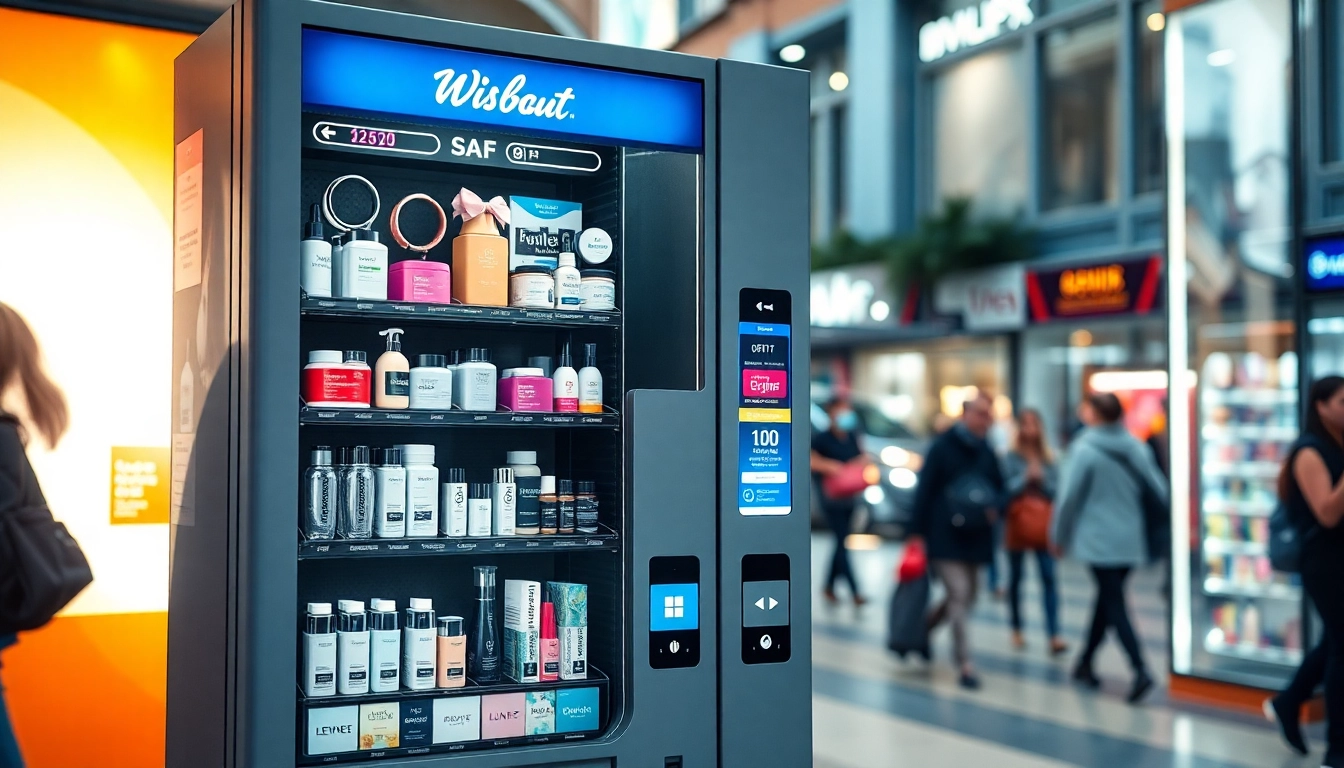
The Rise of the Beauty Vending Machine
In recent years, the beauty vending machine has become a phenomenon, transforming the way consumers access beauty and skincare products. As urban lifestyles evolve, convenience becomes paramount, prompting retailers to innovate solutions that cater to the on-the-go demographic. These automated machines streamline the shopping experience, providing immediate access to a wide array of products, from makeup to skincare essentials, even in high-traffic areas like malls and airports. When exploring options, beauty vending machines not only enhance customer experience but also boost retailer revenue through 24/7 availability.
1. Understanding Market Demand
The beauty market is expansive and continually evolving. According to recent trends, consumers increasingly seek convenience and instant gratification, particularly in beauty products. The rise of e-commerce has conditioned shoppers to expect quick access to products, and beauty vending machines meet this demand efficiently. With a surge in interest in self-care and beauty routines, particularly among millennials and Gen Z, these vending machines cater to a generation that values both convenience and quality. Moreover, the ongoing expansion of beauty trends, including custom and organic products, drives the necessity for retailers to innovate their distribution methods.
2. Historical Context and Trends
Beauty vending machines have roots in traditional vending concepts, but their evolution into sophisticated, tech-driven solutions marks a significant shift in retail strategies. The early models primarily dispensed basic beauty items; however, contemporary machines come equipped with smart technology, enabling features like touch screens, inventory management, and customized product selections. This shift corresponds with broader retail trends focusing on automation and personalized customer experiences. Today, brands can leverage advanced vending technologies to manage stock, analyze consumer preferences, and optimize pricing strategies.
3. Key Benefits for Retailers
Implementing beauty vending machines presents multiple benefits for retailers looking to enhance their business model:
- 24/7 Availability: Unlike traditional retail, these machines can operate around the clock, capturing sales even after store hours.
- Reduced Labor Costs: Automation limits the need for staff to manage inventory and sales, allowing businesses to allocate resources elsewhere.
- Direct Consumer Engagement: With advanced technology, retailers can use these machines to collect data on consumer preferences and behavior, enhancing marketing strategies.
- Space Efficiency: Vending machines require significantly less floor space than traditional retail setups, making them ideal for locations with limited retail space.
How to Choose the Right Beauty Vending Machine
As the beauty vending machine market expands, selecting the right equipment becomes paramount for success. Retailers should consider various factors when choosing their machines to ensure they meet the needs of their target audience.
1. Essential Features and Technology
Beauty vending machines should be equipped with essential features that enhance customer interaction and streamline the purchase process. Look for machines that include:
- Touchscreen Interfaces: These allow for an interactive shopping experience, making it easy for customers to browse products.
- Smart Payment Solutions: Support for multiple payment methods, including credit cards and mobile payments, ensures convenience for all customers.
- Real-time Inventory Management: This feature helps retailers track stock levels and optimize supply chains effectively.
2. Customization Options for Brands
Customization is vital in today’s competitive market. Retailers should seek out vending machines that allow for branding and product selection tailored to their audience. Customization options can include:
- Branding Elements: Custom engravings, colors, and graphics can help the machine align with the business’s overall branding.
- Product Mix: The ability to curate and change the selection of products based on consumer demand or seasonality maximizes sales potential.
3. Location Considerations for Maximum Impact
Location plays a crucial role in the success of beauty vending machines. High-traffic areas, such as shopping malls, airports, gyms, and college campuses, are ideal placements, as they guarantee visibility and accessibility. Conducting market research to understand foot traffic patterns can help determine the best locations for installation.
Case Studies: Successful Beauty Vending Implementations
Real-world examples provide valuable insights into the potential success of beauty vending machines. Here, we explore several innovative implementations that have garnered attention and demonstrated remarkable results.
1. Innovative Examples from Major Cities
In cities like New York and Los Angeles, beauty vending machines have found homes in glamor hotspots and popular shopping districts. For instance, a prominent beauty brand installed vending machines in select Starbucks locations, allowing coffee patrons to access beauty products while enjoying their drinks. This innovative approach has not only driven sales but also increased brand visibility across varied demographics.
2. Analyzing Revenue Growth and Customer Feedback
One standout example is a chain of beauty vending machines placed in major airports, which reported over a 20% increase in sales compared to traditional retail shops nearby. Customers appreciated the convenience of purchasing beauty essentials before boarding flights, reflecting the growing demand for on-the-go beauty solutions.
3. Lessons Learned and Best Practices
Successful implementations highlight the importance of regularly analyzing customer feedback and sales data. Continuous assessment can help retailers adjust their product offerings and marketing strategies to enhance the shopping experience further. Additionally, integrating loyalty programs can incentivize repeat customers and encourage word-of-mouth marketing.
Marketing Strategies for Beauty Vending Machines
With the beauty vending machine market becoming increasingly competitive, effective marketing strategies are essential for standing out. Here are some approaches retailers can adopt to boost visibility and sales.
1. Engaging Social Media Campaigns
Social media serves as a powerful tool for marketing vending machines. Creating engaging content that showcases the unique features of a beauty vending machine can attract potential customers’ attention. Using platforms like Instagram and TikTok to run promotions or share user-generated content can create buzz around the product offerings.
2. Collaborations with Influencers
Partnering with beauty influencers can enhance credibility and reach. By leveraging influencers’ followings, brands can effectively introduce their vending machines to broader audiences while showcasing product lines and promoting special discounts or events.
3. Loyalty Programs and Promotions
Incentivizing customers through loyalty programs can increase sales and foster brand loyalty. Offering discounts for repeat purchases or exclusive access to new products can motivate customers to choose your beauty vending machine over competitors.
The Future of Beauty Vending: Trends to Watch
As technology continues to evolve, the beauty vending machine industry is anticipated to undergo significant transformations. Several trends are expected to shape its future.
1. Integration of Smart Technology and AI
Future beauty vending machines will likely incorporate advanced technologies like artificial intelligence to offer personalized recommendations based on customer purchase histories. This could enhance the shopping experience, making it more tailored and interactive.
2. Expanding Product Range and Customization
Retailers will increasingly look to expand their product ranges to include niche beauty products, catering to diverse consumer preferences. Customization will likely extend beyond branding to include personalized product recommendations and subscription services for loyal customers.
3. Sustainability and Eco-Friendly Practices
With growing environmental awareness, vending machines that focus on sustainable brands and eco-friendly packaging will likely gain popularity. Retailers that align with these values are expected to attract environmentally conscious consumers.