
Posted on

Understanding Visceral Fat: Health Risks, Reduction Strategies, and Insights

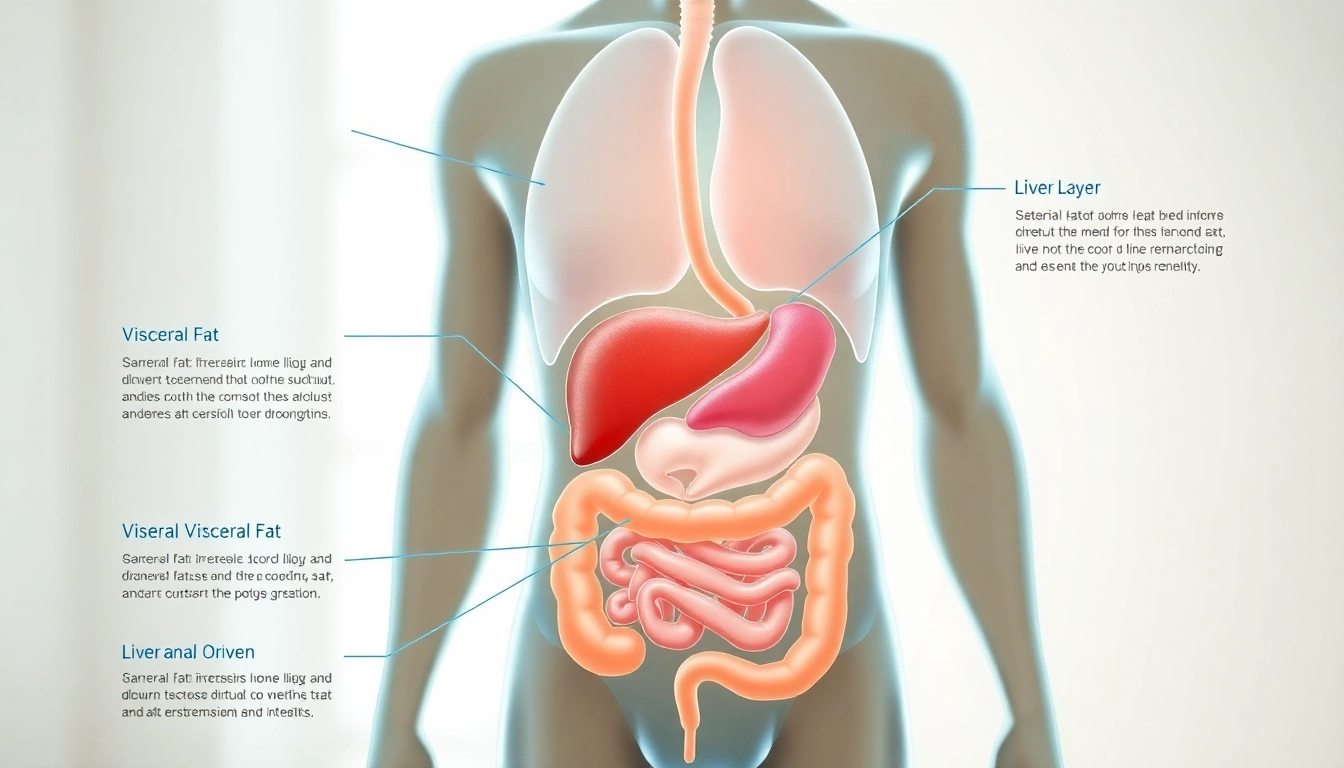
Visual representation of visceral fat's harmful impact on internal organs in an anatomical diagram.

When discussing body fat, it’s crucial to differentiate between various types and their implications for health. One type that often garners attention—and concern—is visceral fat. Unlike subcutaneous fat, which lies just beneath the skin, visceral fat is stored deeper within the abdominal cavity, surrounding vital organs. This type of fat is significant not just for aesthetic reasons, but more importantly, for health outcomes. Understanding visceral fat can empower individuals to take control of their health. This comprehensive guide will explore what visceral fat is, the health risks associated with it, measurement techniques, strategies for reduction, and how to maintain a healthy body composition.

What is Visceral Fat?

Definition and Characteristics of Visceral Fat

Visceral fat is often referred to as “toxic fat” due to its association with various health complications. It is found deep in the abdominal cavity, nestled between the organs, including the liver, pancreas, and intestines. This type of fat is metabolically active, secreting hormones and inflammatory markers that can affect bodily functions. Unlike subcutaneous fat, which can provide some energy reserve, visceral fat is linked to serious health conditions and is regarded as the more dangerous fat type.

Comparison with Subcutaneous Fat

While subcutaneous fat is the layer that you can pinch and is generally less harmful, visceral fat is a hidden risk factor. Subcutaneous fat serves as insulation and cushioning for the body, but visceral fat can lead to metabolic disturbances, insulin resistance, and inflammatory responses. The presence of excess visceral fat in particular indicates an increased risk for diseases such as heart disease, diabetes, and certain cancers, illustrating why understanding the differences between these types of fat is vital.

Health Implications of Accumulated Visceral Fat

The health implications associated with visceral fat cannot be overstated. Accumulation of this fat is linked to an array of serious health issues. Research indicates that visceral fat can lead to inflammation within the body, a precursor to serious chronic conditions. Moreover, it may influence the development of a range of metabolic disorders, highlighting the importance of addressing visceral fat accumulation early.

Health Risks Associated with Visceral Fat

Metabolic Disorders Linked to Visceral Fat

Visceral fat is a known contributor to metabolic syndrome—a cluster of conditions that increase the risk for heart disease, stroke, and diabetes. Individuals with excess visceral fat often exhibit traits of metabolic syndrome, including high blood pressure, elevated blood sugar levels, excess body fat around the waist, and abnormal cholesterol levels. Addressing visceral fat is essential to mitigate the risk of developing these disorders and enhancing overall metabolic health.

Effects on Heart Health

The correlation between visceral fat and cardiovascular health is profound. Studies have shown that high levels of visceral fat are linked to increased risks of cardiovascular disease, largely due to its influence on inflammatory markers, insulin resistance, and dyslipidemia. People with high amounts of visceral fat are more likely to experience heart-related health issues, underscoring the critical need for effective strategies to reduce this fat.

Increased Risk of Diabetes and Other Chronic Conditions

Another severe health risk posed by visceral fat is its role in the development of type 2 diabetes. Excess visceral fat can result in insulin resistance, a condition where the body’s cells do not respond effectively to insulin. This can lead to elevated blood sugar levels, ultimately culminating in diabetes. Additionally, visceral fat is associated with an increased likelihood of developing conditions like sleep apnea, certain types of cancer, and liver disease.

How to Measure Visceral Fat

Tools and Techniques for Measuring Visceral Fat

Measuring visceral fat can be accomplished through several methods, each with its advantages and limitations. Common techniques include:

  • Imaging Techniques: MRI and CT scans are highly accurate but expensive and usually not recommended for routine screening.
  • Bioelectrical Impedance Analysis (BIA): This method estimates body composition, including visceral fat levels, by measuring how electrical currents pass through the body.
  • Waist Measurement: A practical, at-home method. A waist circumference of over 40 inches for men and over 35 inches for women is indicative of higher visceral fat levels.

Interpreting Results: What Do Numbers Mean?

Understanding the results of visceral fat measurements is crucial for making informed health decisions. If visceral fat levels are high, it may require intervention through increased physical activity or dietary changes. Conversely, normal ranges suggest a lower risk for related health complications. Regular assessments can help track progress and efficacy of implemented lifestyle changes.

Regular Monitoring and Its Importance

Monitoring visceral fat is vital for health management. Regular assessments can help individuals identify potential risks before they become significant health issues. Tracking visceral fat can also motivate lifestyle changes aimed at reducing this dangerous fat type and improving overall health outcomes.

Effective Strategies for Reducing Visceral Fat

Dietary Changes to Combat Visceral Fat

Diet plays a critical role in managing and reducing visceral fat. Nutritional choices should focus on whole, unprocessed foods, emphasizing:

  • High fiber intake, predominantly from fruits, vegetables, and whole grains, which can help to regulate digestion and improve metabolism.
  • Choosing lean proteins and healthy fats, such as those found in fish, avocados, and nuts, to promote satiety and reduce overall caloric intake.
  • Reducing intake of refined sugars and saturated fats, which have been linked to increased visceral fat accumulation.

Exercise Regimens That Target Visceral Fat

Regular physical activity is fundamental in the fight against visceral fat. Effective exercise regimens may include:

  • Cardiovascular Exercise: Activities like running, cycling, and swimming increase heart rate and calorie burning, particularly beneficial for visceral fat loss.
  • Strength Training: Building muscle mass can enhance metabolism, which aids in fat loss. Resistance training has shown to reduce visceral fat significantly when combined with aerobic routines.
  • High-Intensity Interval Training (HIIT): Short bursts of high-intensity exercise followed by rest periods can effectively target visceral fat deposits.

Role of Lifestyle Modifications in Fat Reduction

Beyond diet and exercise, several lifestyle modifications can further assist in reducing visceral fat, such as:

  • Prioritizing sleep. Insufficient sleep can lead to hormonal imbalances that promote weight gain and disrupt metabolic health.
  • Managing stress through techniques such as meditation or yoga, as chronic stress can lead to an increase in visceral fat due to elevated cortisol levels.
  • Avoiding tobacco and excessive alcohol consumption, both of which are associated with increased visceral fat accumulation.

Maintaining a Healthy Body Composition

Long-term Benefits of Reducing Visceral Fat

Reducing visceral fat offers numerous long-term health benefits. Lower levels of visceral fat can lead to improved cardiovascular health, reduced risks of diabetes, and better overall wellness. Furthermore, losing visceral fat can enhance one’s quality of life, including improved mobility, energy levels, and psychological well-being.

Creating Sustainable Healthy Habits

Establishing sustainable health habits is key to maintaining a healthy body composition long-term. This approach includes setting realistic, achievable goals and integrating enjoyable physical activities and nutritious meals into daily routines. Building a support network can also enhance motivation and accountability, making lifestyle changes more manageable over time.

Community Support and Resources for Managing Visceral Fat

Engaging with community resources can greatly enhance efforts to manage visceral fat. Support groups, nutrition workshops, and fitness classes provide individuals with the tools and encouragement necessary to achieve their goals successfully. Utilizing online resources and apps can also provide additional guidance and help individuals stay on track.

In summary, visceral fat presents numerous health risks, but with an understanding of its characteristics, health implications, and proactive management strategies, individuals can take significant steps towards improved health. By committing to dietary adjustments, regular physical activity, and sustainable lifestyle changes, it is possible to effectively reduce visceral fat and enhance overall well-being.


Posted on

Innovative Solutions at Klinik Gigi Near Me: Your Complete Guide for 2025

Welcoming dental clinic environment showcasing a klinik gigi near me with friendly staff.

Understanding the Importance of Local Dental Care

When you’re in need of dental services, finding a convenient and reliable option can make all the difference. Searching for a klinik gigi near me not only saves time, but it also ensures that you receive personalized care in your community. Local dental clinics provide unique advantages, including familiarity with regional health concerns and accessibility for follow-up visits. Choosing a local clinic can significantly improve your overall dental health and well-being.

Why Choose Klinik Gigi Near Me for Your Dental Needs?

Choosing a local klinik gigi is a decision rooted in several key benefits. Firstly, proximity allows for easier access, especially during dental emergencies. You can attend regular check-ups without the hassle of long-distance travel. Secondly, local clinics often prioritize community relationships, fostering a sense of trust and personalized care that larger, corporate dental offices may lack. This local approach ensures that your dentist knows your history and can provide tailored recommendations based on your specific needs.

The Benefits of Local Dental Clinics

  • Convenience: Easy scheduling and follow-up appointments.
  • Community Trust: Established relationships and a better understanding of local health issues.
  • Personalized Care: Dentists are often more invested in the well-being of their patients.
  • Affordability: Many local clinics offer competitive pricing and payment plans.

Common Dental Services Offered

Local dental clinics typically provide a range of services to meet the dental needs of their patients. Some of the most common services include:

  • Preventive care such as cleanings and routine check-ups.
  • Cosmetic dentistry, including whitening and veneers.
  • Restorative procedures such as fillings, crowns, and root canals.
  • Orthodontics, offering solutions like braces and aligners.
  • Emergency dental care addressing urgent issues like knocked-out teeth and severe pain.

What to Expect During Your First Visit

Your first visit to a dental clinic can be both exciting and nerve-wracking. Understanding what to expect can help alleviate any anxiety and ensure a smooth experience. Generally, during your first visit, you’ll undergo a comprehensive dental examination, which may include x-rays, a dental cleaning, and a discussion about your dental history and concerns.

What Questions to Ask Your Dentist

It’s important to come prepared with questions for your dentist to ensure that you understand your oral health better. Here are some key questions you might consider asking:

  • What is the general condition of my teeth and gums?
  • Are there any specific areas of concern that need immediate attention?
  • What are the recommended treatments, and what options do I have?
  • How often should I schedule dental visits moving forward?
  • What preventive measures can I take at home to maintain my oral health?

Understanding Dental Procedures and Treatments

A variety of dental procedures may be recommended based on your individual needs. Understanding these can help you feel more confident about your treatment plan. For instance, if you require a filling, knowing that it involves removing decay and sealing the tooth can minimize anxiety. Similarly, understanding the reasons behind needing orthodontic treatment can highlight its long-term benefits for your dental health.

Preparing for Your Appointment Effectively

Preparation can play a significant role in how comfortable you feel during your dental visit. Here are some tips:

  • Arrive early to complete any necessary paperwork.
  • Bring a list of any medications you are currently taking.
  • Be ready to discuss your medical history in detail.
  • If you have specific concerns, write them down to ensure you don’t forget to mention them.

Addressing Common Dental Concerns

Pain Management and Anxiety Reduction

Many people experience anxiety when it comes to dental visits. Discussing this with your dentist can lead to personalized strategies for managing pain and anxiety. Options such as sedation dentistry or simple relaxation techniques may be right for you, depending on your level of discomfort.

Understanding Dental Insurance and Costs

Understanding dental costs and insurance coverage is crucial. Many dental offices accept a variety of insurance plans and offer payment plans for those without insurance. It’s beneficial to inquire about costs upfront and understand what services are covered by your plan as well as any out-of-pocket expenses you may incur.

Signs You Need to Visit a Dentist

Recognizing when it’s time to schedule a dental appointment can prevent more significant issues down the road. Common signs include:

  • Persistent toothaches or sensitivity.
  • Bleeding or swollen gums.
  • Chips or cracks in teeth.
  • Changes in the way your teeth fit together.

Innovative Technologies in Dentistry

The field of dentistry is continuously evolving, with new technologies enhancing patient care and treatment outcomes. From digital imaging to advanced dental materials, technology plays a crucial role in modern dental practice.

How Technology Enhances Patient Experience

Innovative technology has transformed the dental experience, making visits quicker and more comfortable. For instance, chair-side digital imaging permits immediate insight into your dental health, allowing for prompt treatment planning. Additionally, many clinics now utilize laser dentistry, which can minimize discomfort significantly during procedures.

The Role of Digital X-rays and Imaging

Digital x-rays provide clearer images with less radiation exposure compared to traditional x-rays. These images can be viewed instantly, enabling dentists to diagnose issues more efficiently. This immediacy allows for better treatment planning and a more efficient office visit.

Future Trends in Dental Care for 2025

Looking ahead, dentistry is expected to embrace even more advanced technologies. Artificial intelligence will likely play a role in diagnostics, predictive analytics for treatment outcomes, and improved patient communication. Additionally, 3D printing technology will revolutionize custom dental products, from crowns to aligners, making treatment more effective and precise.

Finding the Right Klinik Gigi Near Me

With numerous options available, locating the right dental clinic can be overwhelming. However, there are several strategies you can employ to pinpoint the best clinic for your needs.

Tips for Choosing a Reliable Dental Clinic

  • Research local clinics online, looking for reviews and ratings.
  • Ask for recommendations from family and friends.
  • Consider the clinic’s range of services and specialties.
  • Evaluate the qualifications and experience of the dental providers.

Reading Reviews and Testimonials

Online reviews can provide insight into the patient experience at a clinic. Look for testimonials that discuss the quality of care, staff friendliness, and overall satisfaction. However, it’s vital to take reviews with a grain of salt, as personal experiences can vary.

Utilizing Technology to Locate Local Clinics

Furthermore, online tools and resources can assist in locating dental clinics nearby. Websites and apps that compare local dental services can provide details on pricing, services offered, and user experiences, making it easier to make an informed decision.

Posted on

Achieving Optimal Health: Strategies for Holistic Well-Being

Group engaging in wellness activities symbolizing Health in a serene outdoor setting.

Understanding the Fundamentals of Health

Health is one of the most vital aspects of our lives, influencing our overall quality of life, productivity, and longevity. The quest for knowledge about health often leads to a plethora of sources, emphasizing the need for clarity and accurate information. While health encompasses various dimensions, including physical, mental, and emotional well-being, it also acts as a foundation for our lifestyle choices. This article aims to delve into the foundational aspects of health, dissecting its definitions, importance, and essential factors that influence our overall well-being. In a world cluttered with information, understanding the basics of Health is crucial for making informed choices that lead to better outcomes.

The Definition of Health

Defining health extends beyond the absence of disease or illness. The World Health Organization (WHO) defines health as “a state of complete physical, mental, and social well-being, and not merely the absence of disease or infirmity.” This definition highlights that health is multi-faceted, involving various dimensions:

  • Physical Health: Involves the proper functioning of the body systems, the absence of chronic conditions, and the maintenance of physical fitness.
  • Mental Health: Refers to cognitive functioning and emotional stability, including factors like mood, stress management, and psychological resilience.
  • Social Well-Being: Encompasses relationships and support systems that contribute to a fulfilling life.

This comprehensive approach ensures that health isn’t just about surviving but thriving in all aspects of life.

The Importance of Physical Health

Physical health is critical as it lays the foundation for overall well-being. It influences how we feel, think, and perform daily activities. Maintaining physical health has numerous benefits:

  • Enhanced Quality of Life: Good physical health enables individuals to participate in activities they enjoy, improving their overall enlightenment.
  • Increased Longevity: Maintaining physical health through exercise and proper nutrition can lead to a longer lifespan.
  • Prevention of Chronic Diseases: Managing weight, eating well, and staying active significantly reduce the risk of chronic illnesses, such as heart disease and diabetes.

Therefore, fostering good physical health should be a central focus in the journey towards optimal health.

Mental Health and Emotional Well-Being

Mental health is as essential as physical health and has profound implications for how we relate to others and handle life’s challenges. Emotional well-being involves the ability to manage stress, establish fulfilling relationships, and navigate life’s ups and downs. Factors affecting mental health include:

  • Stress Management: Developing efficient coping mechanisms promotes resilience and emotional stability.
  • Social Connections: Meaningful relationships play a key role in emotional health, providing support and reducing feelings of isolation.
  • Self-Reflection: Understanding one’s emotions and thoughts can promote better mental health.

Improving mental health can lead to a healthier relationship with oneself and can amplify physical health outcomes as well.

Key Factors Influencing Health

A myriad of factors influences health outcomes, from individual choices to broader environmental issues. Understanding these factors helps empower individuals to make changes that enhance their health.

The Role of Nutrition in Health

Nutrition plays a foundational role in ensuring optimal health. A balanced diet comprising essential nutrients can significantly influence various health aspects:

  • Nutrient Density: Foods high in essential vitamins and minerals enhance bodily functions and energy levels.
  • Weight Management: A healthy diet is crucial for maintaining a healthy weight, which correlates with lowered risks of chronic diseases.
  • Mental Clarity: Certain nutrients, such as omega-3 fatty acids, have been linked to improved cognitive function.

To navigate nutrition effectively, individuals are encouraged to focus on whole foods, moderation, and mindful eating practices.

Exercise and Physical Activity Essentials

Regular physical activity is another cornerstone of health. Engaging in consistent exercise can lead to remarkable improvements in physical and mental health:

  • Cardiovascular Health: Regular aerobic activity strengthens the heart and lungs, enhancing overall stamina.
  • Weight Control: Exercise helps regulate weight by burning calories and increasing metabolic rate.
  • Mental Well-Being: Physical activity stimulates the production of endorphins, which can elevate mood and reduce stress.

Given these benefits, incorporating exercise into daily routines is essential for achieving health goals.

Environmental Influences on Health

Our health is also significantly affected by environmental factors. These can include both natural and constructed environments:

  • Pollution: Air and water quality directly impact physical health, with links to respiratory diseases and other health issues.
  • Socioeconomic Status: Access to healthcare services, nutritious food, and safe living conditions often correlates with health outcomes.
  • Community Resources: Availability of parks, recreational facilities, and health services enhances community health.

To mitigate negative environmental effects, promoting sustainable practices and community engagement is paramount.

Preventative Measures for Better Health

Preventative care is fundamental to fostering a long, healthy life. Engaging in proactive measures helps avert health issues before they develop into serious conditions.

Routine Check-Ups and Screenings

Regular health check-ups and screenings provide a proactive approach to identifying potential health problems:

  • Early Detection: Screenings for conditions such as high blood pressure, diabetes, and cancers can significantly improve treatment outcomes.
  • Health Monitoring: Routine check-ups allow healthcare providers to track changes over time and adjust health plans accordingly.
  • Professional Guidance: Regular visits provide genuine opportunities for education and support in maintaining health.

Therefore, individuals should regularly consult their healthcare providers to stay informed about their health status.

Vaccinations and Immunizations

Vaccinations are a critical aspect of preventative health measures, providing robust protection against infectious diseases:

  • Herd Immunity: When vaccination rates are high, community-wide immunity protects those who can’t be vaccinated.
  • Reduction in Disease Incidence: Vaccines have led to the near-eradication of diseases, such as smallpox and polio.
  • Public Health Promotion: Immunizations help reduce healthcare costs by minimizing the prevalence of disease.

Individuals are encouraged to stay updated with vaccinations based on recommendations from healthcare professionals.

Healthy Lifestyle Choices

Adopting a healthy lifestyle is a cumulative process that combines various elements contributing to health:

  • Adequate Sleep: Prioritizing sleep enhances physical recovery and mental performance.
  • Stress Management Techniques: Practices such as meditation, yoga, and regular leisure activities promote mental health and reduce anxiety.
  • Avoiding Harmful Substances: Eliminating tobacco, limiting alcohol, and avoiding recreational drugs contribute to better physical and mental health.

By consciously making healthy choices, individuals can build a lifestyle that enhances their overall well-being.

Resources for Maintaining Health

Access to resources is crucial for sustaining a healthy lifestyle. These resources can come in various forms, including technology, support systems, and educational platforms.

Leveraging Technology for Health Monitoring

Technology has revolutionized health management and monitoring:

  • Wearable Devices: Tools such as fitness trackers and smartwatches help individuals monitor physical activity and health metrics.
  • Health Apps: Numerous applications provide guidance on nutrition, exercise, and medical information, making health management accessible.
  • Telehealth Services: Remote consultations with healthcare providers facilitate access to professional advice and services.

Embracing technological advancements can simplify health maintenance and enhance accountability in health goals.

Support Systems and Community Resources

Having a robust support system can significantly enhance one’s health journey:

  • Family and Friends: A solid network fosters encouragement and accountability in healthy habits.
  • Community Programs: Local programs often provide resources for exercise, nutrition education, and wellness activities.
  • Professional Support: Health coaches, nutritionists, and therapists offer specialized guidance and interventions tailored to personal needs.

Building and utilizing a support network plays a fundamental role in achieving and sustaining health.

Online Platforms for Health Education

Educational resources are vital in fostering a better understanding of health:

  • Health Websites: Reputable websites offer valuable information on various health topics, from diet to disease prevention.
  • Webinars and Online Courses: Many organizations provide educational seminars and courses focused on different health areas.
  • Social Media Groups: Online communities allow individuals to share experiences and gain insights into healthier living.

Leveraging these platforms can empower individuals with the knowledge needed to make informed health decisions.

Future Trends in Health and Wellness

The landscape of health and wellness is continuously evolving. Emerging trends indicate a shift towards more personalized, integrative health care approaches.

Integrative Approaches to Health

Integrative health blends conventional approaches with alternative healing practices, emphasizing the individual as a whole:

  • Holistic Treatment: Integrative practices consider physical, mental, emotional, and spiritual health.
  • Personalized Health Plans: Tailored approaches help address unique health needs, increasing effectiveness.
  • Preventative Focus: Integrative medicine emphasizes lifestyle factors and preventative care beyond traditional treatments.

Understanding and adopting integrative health methods can lead to comprehensive well-being.

Personalization in Health Care

The shift towards personalized health care is reshaping how individuals approach their health:

  • Genetic Analysis: Genetic testing allows for tailored treatment plans based on individual genetic profiles.
  • Data Utilization: Health data analytics can predict health trends and personalize care effectively.
  • Consumer Empowerment: Individuals are increasingly equipped with resources to make informed decisions about their health.

This personalized approach promotes more effective health management and optimizes outcomes.

The Impact of Policy on Public Health

Health policies shape the environment in which health care is delivered, influencing accessibility, quality, and public health outcomes:

  • Access to Care: Policies affecting health insurance coverage directly impact individuals’ ability to receive necessary care.
  • Public Health Initiatives: Government programs play a crucial role in promoting vaccination, preventive care, and health education.
  • Environmental Regulations: Policies addressing air quality and hazardous substances greatly influence overall health.

Engagement in health policy advocacy can contribute to stronger communities and healthier populations.

In conclusion, health constitutes an intricate web of factors, each influencing overall well-being. Understanding the various aspects of health— from its definitions and foundational elements to preventative measures and future trends— empowers individuals to adopt healthier lifestyles and make informed decisions. The journey to optimal health is ongoing and requires a proactive approach, engagement with community resources, and a commitment to continuous learning.