Understanding the Kitchen Loofah
What is a Kitchen Loofah?
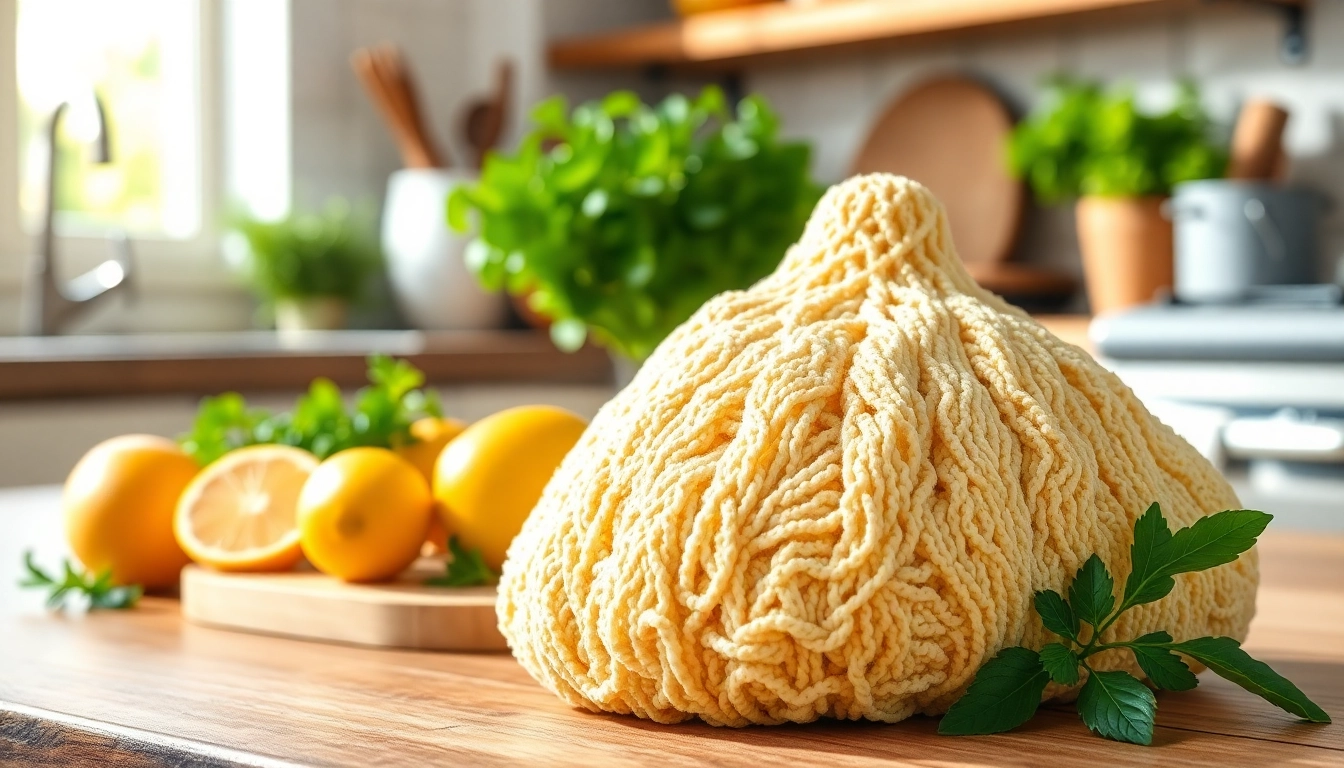
The kitchen loofah, often simply referred to as a loofah, is a natural sponge derived from the fruit of the Luffa plant, which belongs to the gourd family. Unlike the synthetic sponges commonly found in most kitchens, kitchen loofahs are eco-friendly and biodegradable, making them an excellent choice for those who are environmentally conscious. The loofah has a fibrous texture that is both gentle and effective, allowing it to tackle grease and grime without scratching surfaces.
Benefits of Using Kitchen Loofah
The use of kitchen loofah comes with a multitude of benefits. Firstly, they are made from natural materials, which means they do not contain the harmful chemicals often found in synthetic sponges. This makes kitchen loofah a safer option for cleaning kitchen utensils, especially those that come into direct contact with food.
Another significant advantage is their longevity. A well-cared-for kitchen loofah can last several weeks, making it a more sustainable choice in comparison to disposable sponges. Additionally, kitchen loofahs are excellent at handling tough stains, food residue, and biological buildup, removing them effectively without the risk of harboring bacteria that can fester in synthetic alternatives.
Finally, integrating kitchen loofah into your cleaning routine promotes a greener lifestyle due to their biodegradable nature. After their lifespan, they can be composted, contributing to environmental sustainability.
Choosing the Right Kitchen Loofah
When it comes to selecting an appropriate kitchen loofah for your needs, there are a few factors to consider. First, the size and shape of the loofah should be suitable for your kitchen tasks. Whole loofahs can be cut to size, but pre-cut pieces are often convenient for specific applications.
Next, consider the texture. Some loofahs are designed to be softer for delicate tasks, such as cleaning fruits and vegetables, while others may be more robust and ideal for scrubbing pots and pans. The source and processing of the loofah can also influence quality; therefore, always opt for organic and unsprayed options when available for maximum safety.
Best Practices for Kitchen Loofah Use
How to Clean Your Kitchen Loofah
To maintain optimal hygiene and prolong the life of your kitchen loofah, regular cleaning is essential. After each use, rinse it thoroughly under hot water to remove food particles and grease. To sanitize it, soak the loofah in a solution of hot, soapy water or vinegar for about 10-15 minutes. Rinse well, and allow it to air dry completely in an open area, which helps prevent mold and bacteria from developing.
Storing Your Kitchen Loofah Properly
Storage is crucial to ensuring your kitchen loofah remains free from bacteria and odors. Store it in a dry, well-ventilated area away from moisture to discourage mold growth. Hanging or placing it in a dish rack after each use can facilitate proper airflow, allowing it to dry out quickly. Avoid keeping it in a closed or damp environment, such as a sealed sponge holder.
Common Mistakes to Avoid
One of the most common mistakes consumers make is not replacing their kitchen loofah regularly. While these sponges can last a significant amount of time, the hygiene aspect means they should ideally be replaced every 2-3 weeks. Additionally, failing to clean or dry the loofah properly can lead to bacteria growth. Lastly, using the same loofah for diverse tasks, such as cleaning dirty dishes and scrubbing countertops, can spread bacteria and dirt. It's best to assign a specific kitchen loofah for dedicated tasks.
Integrating Kitchen Loofah into Everyday Cooking
Using Kitchen Loofah for Meal Prep
Kitchen loofahs can be remarkably useful in meal preparation beyond their traditional cleaning roles. They can effectively scrub vegetables like potatoes and carrots, ensuring they are clean and ready for cooking. Additionally, they can be used to gently scrub the skin of fruits like tomatoes, removing dirt without damaging the fruit’s surface.
Incorporating Kitchen Loofah in Recipes
While kitchen loofahs are not typically consumed, they can serve as a unique cooking tool. For example, shredded loofah can be stewed and incorporated into soups or stir-fries, providing a fibrous texture and nutritional benefits. This innovative usage not only minimizes waste but also expands your culinary toolkit.
Kitchen Loofah as a Unique Gift
A kitchen loofah can also make for an organic and thoughtful gift. Pair it with a natural dish soap or a handmade apron to create a delightful gift set for friends who love cooking or are environmentally conscious. Including a guide on how to use and maintain kitchen loofahs adds a personal touch that can enhance the recipient’s experience.
Kitchen Loofah Alternatives
Exploring Natural Scrubbing Alternatives
If kitchen loofahs aren’t readily available, there are several natural alternatives worth considering. Coconut coir brushes, made from the husk of coconuts, are great for scrubbing dishes and vegetables. Similarly, sisal and jute fibres can work as biodegradable scrubbing options, and bamboo brushes offer durability and sustainability.
Benefits of Kitchen Loofah vs. Synthetic Sponges
When comparing kitchen loofah to synthetic sponges, the numerous advantages of choosing loofahs become apparent. While synthetic sponges can trap moisture and harbor bacteria, kitchen loofah dries faster and is less likely to become a breeding ground for germs. Furthermore, kitchen loofah is compostable at the end of its lifespan, whereas synthetic sponges contribute to plastic waste.
Eco-friendly Cleaning Solutions
In addition to kitchen loofah usage, exploring eco-friendly cleaning solutions can further enhance sustainability in your kitchen. Natural substances such as baking soda, vinegar, and lemon juice offer effective cleaning properties without harmful chemicals, when combined with the scrubbing power of a kitchen loofah. This duo can tackle most cleaning tasks while being safe for the environment and your home.
FAQs About Kitchen Loofah
How often should I replace my kitchen loofah?
It's recommended to replace your kitchen loofah every 2-3 weeks to maintain hygiene.
Can I use my kitchen loofah for dishes?
Yes, kitchen loofahs are safe and effective for washing dishes, especially fruits and vegetables.
Is a kitchen loofah biodegradable?
Yes, kitchen loofahs are made from natural fibers and are 100% biodegradable.
How do I clean my kitchen loofah?
You can clean your kitchen loofah by soaking it in hot, soapy water or vinegar solution.
Are there any allergies associated with kitchen loofah?
Most people can use kitchen loofahs without issues, but check for skin sensitivity before use.