Introduction to Florida Hurricane Damage
Florida is a state known for its stunning beaches, vibrant nightlife, and rich culture. However, it also faces a significant vulnerability: hurricanes. The risk of hurricane damage is not just an occasional concern; it's a recurring disaster that can devastate homes, infrastructure, and communities. Each year, Floridians prepare for the Atlantic hurricane season, bracing themselves for the potential chaos these storms can unleash. Understanding the multifaceted nature of Florida Hurricane Damage is crucial for effective preparedness, response, and recovery strategies.
Understanding the Impact of Hurricanes on Florida
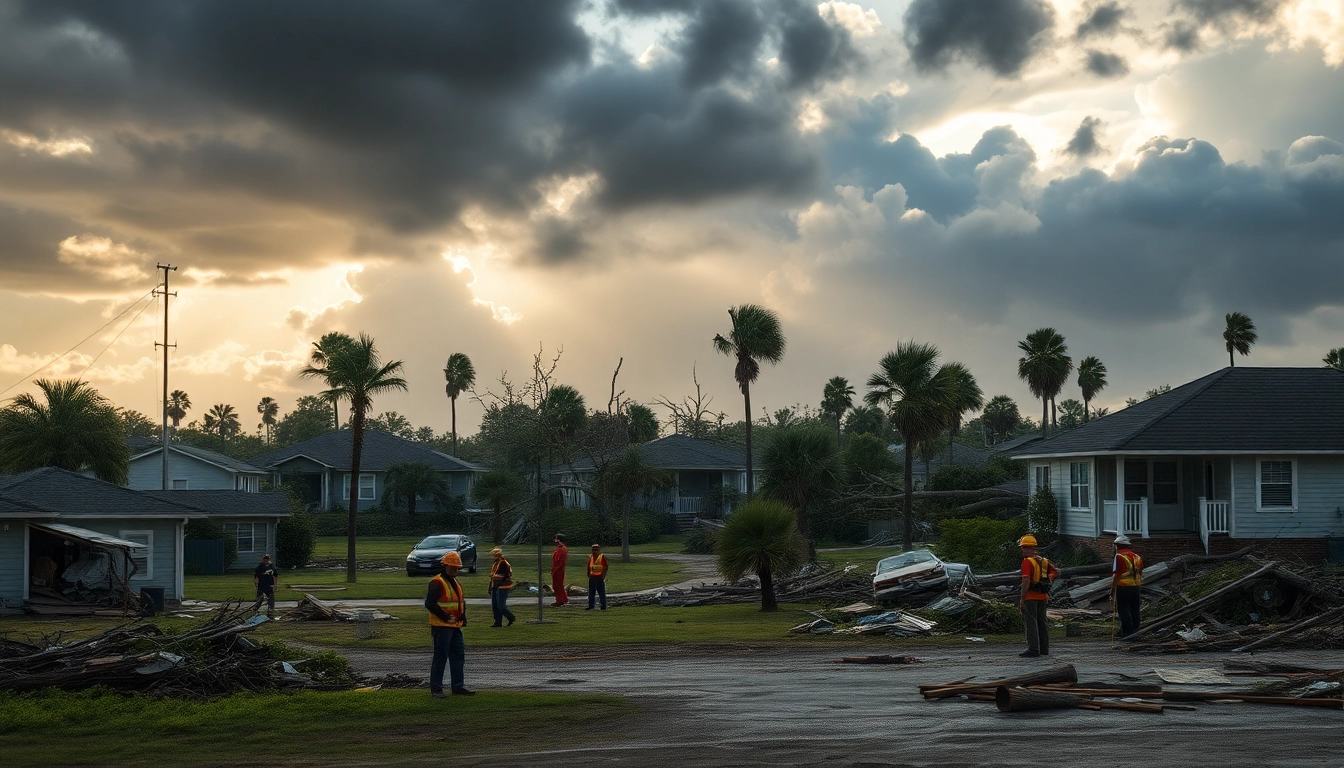
The impact of hurricanes on Florida is profound, affecting both people and the environment. Hurricanes cause severe wind damage, flooding, and storm surges that can obliterate homes and disrupt daily life. The psychological effects on residents can linger long after the storm has passed, compounding the physical destruction. Furthermore, the damage is often not limited to the immediate aftermath; it can impact local economies for years as businesses struggle to recover.
Historical Context of Florida Hurricane Damage
Florida's history is marked by numerous hurricanes that have left lasting scars. The 1926 Miami hurricane and Hurricane Andrew in 1992 stand out as two of the most catastrophic events, causing unprecedented destruction and loss of life. Each event has shaped not only the landscape but also hurricane response regulations, building codes, and recovery processes. The lessons learned from these historical hurricanes provide critical insights into resilience planning for future storms.
The Role of Climate Change in Intensity
Climate change is increasingly recognized as a key factor influencing the intensity and frequency of hurricanes. Warmer ocean temperatures provide more energy for storms, leading to stronger hurricanes. Studies suggest a correlation between climate change and increased hurricane activity, making it essential for Floridians to understand these dynamics in preparing for potential disasters.
Major Hurricanes in Florida's History
Case Study: Hurricane Milton's Destruction
Recently, Hurricane Milton made landfall as a Category 3 storm, affecting much of Florida. Estimates indicated total damages reaching $100 billion across the state, with extensive destruction to homes, infrastructure, and agriculture. The aftermath brought to light the need for updated emergency preparedness strategies and efficient disaster response systems. Communities were left grappling with not just physical damage but emotional and economic ramifications that would take years to heal.
The Aftermath of Hurricane Helene
Hurricane Helene ravaged much of the southeastern United States, leaving behind a trail of disaster. Known for its rapid intensification, Helene surprised responders with its sudden approach. The recovery efforts demonstrated the importance of having robust crisis management systems in place and highlighted the effectiveness of community-driven support in navigating post-hurricane challenges like debris removal, rebuilding houses, and providing mental health services to the affected populations.
Lessons Learned from Past Hurricane Damage
The history of hurricanes in Florida provides essential lessons in resilience. For one, proactive measures such as enhancing building codes can reduce structural damage. Furthermore, investment in storm prediction technology has advanced significantly, enabling earlier evacuations and better preparation for residents. Community engagement in disaster planning and recovery also emerged as a focal point, proving that collective preparation can greatly enhance recovery efforts.
Assessing Florida Hurricane Damage
Structural Damage Assessment Techniques
Understanding the extent of hurricane damage requires effective assessment techniques. Engineers and safety inspectors often employ technologies such as LiDAR and drone surveying to gauge damage with precision. These tools allow for a quick analysis of structural integrity, identifying which buildings are safe for occupancy and which require immediate attention. Moreover, timely assessments can help local governments allocate resources and formulate recovery strategies effectively.
Scope of Environmental Impact
Hurricanes don't just affect human structures; they have severe consequences for natural environments. Wetlands, coastal ecosystems, and marine habitats often experience catastrophic damage following a storm. The erosion of dunes, contamination of freshwater resources, and destruction of wildlife habitats must be accounted for in recovery processes. Environmental assessments post-hurricane are crucial for restoring ecological balance and ensuring that natural resilience is rebuilt alongside human infrastructure.
Economic Consequences of Hurricane Damage
The economic fallout from hurricanes is staggering. Estimates suggest that communities can experience billions in losses, impacting local businesses, employment rates, and overall economic health. The agricultural sector, in particular, often suffers devastating blows, with crops destroyed and livelihoods significantly impacted. Analyzing the economic consequences helps policymakers understand the need for sustainable recovery initiatives and financial assistance programs to revive affected areas.
Preparing for Future Hurricane Damage
Best Practices for Homeowners
Preparation begins at the individual homeowner level. Homeowners should invest in hurricane-resistant materials and ensure structures are up to code. Creating an emergency kit with essentials, establishing a communication plan, and having an evacuation route mapped out can significantly lessen the impact of a hurricane. Engaging with local hurricane preparedness programs can also provide invaluable resources for effective planning.
Community Preparedness Initiatives
Community engagement is critical in disaster preparedness. Initiatives such as neighborhood watch programs, local workshops on emergency planning, and community drills foster a culture of readiness. Fundraising efforts for local shelters and emergency services can ensure that communities are not only prepared to face potential disasters but also capable of supporting one another in the recovery process.
The Importance of Emergency Management Plans
State and local governments play a pivotal role in emergency management. Implementing comprehensive emergency management plans that cover evacuation protocols, resource allocation, and inter-agency coordination ensures that responses to hurricanes are swift and effective. Regular updates and drills conducted by emergency management agencies can improve efficiency and preparedness, ultimately saving lives and resources.
Recovery and Rebuilding After Florida Hurricane Damage
Initial Response Strategies
When a hurricane passes, the immediate response is crucial. Initial strategies often involve search and rescue operations, assessment of the most affected areas, and the establishment of emergency shelters. Collaborations between local governments and non-profit organizations help streamline these efforts, ensuring that aid reaches those most in need quickly and effectively.
Long-term Recovery Plans
Recovering from a hurricane is a long-term commitment. Long-term recovery strategies should include rebuilding infrastructure with an emphasis on resilience, economic recovery initiatives, and programs that support mental health. Various state and federal agencies often collaborate to secure the funding necessary for these extensive recovery projects, ensuring that communities not only rebuild but are better equipped to handle future disasters.
Government Assistance and Funding Opportunities
Government assistance plays a vital role in recovery efforts. Programs such as FEMA grants and low-interest loans can help homeowners and businesses recover. Furthermore, states can create funding opportunities for local governments to rebuild infrastructure while enhancing resilience. Engaging with local representatives to understand available assistance can facilitate smoother recovery processes for affected individuals and communities.