Understanding Water Lilies: Types and Varieties
Water lilies are among the most enchanting additions to any pond, bringing a sense of elegance and tranquility to your outdoor space. With their floating leaves and vibrant blooms, these aquatic plants not only enhance the aesthetic appeal of your garden but also provide essential benefits for wildlife and the ecosystem. As gardening enthusiasts increasingly look to Buy Water Lilies, understanding their varieties and benefits can help you make informed choices for your pond environment.
What Are Water Lilies and Their Benefits?
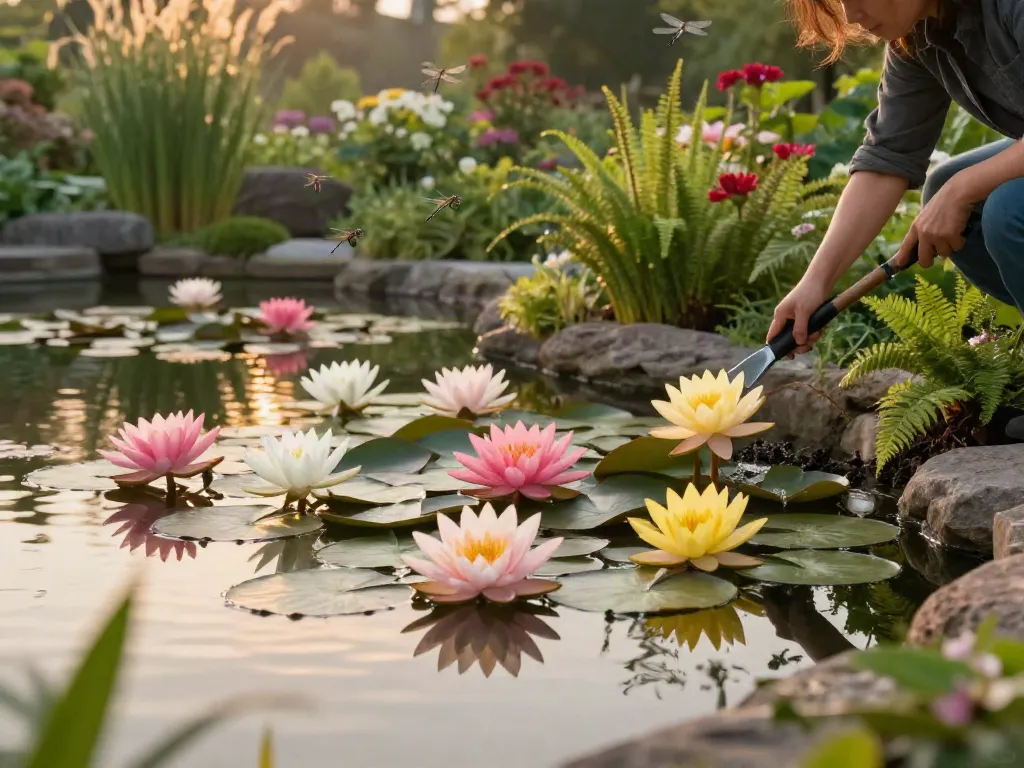
Water lilies belong to the family Nymphaeaceae and are recognized for their broad, flat leaves that float on the water's surface, while their stunning flowers emerge above the water. Aside from their beauty, water lilies offer numerous advantages:
- Natural Filtration: Water lilies contribute to pond health by filtering pollutants and excess nutrients, helping to keep the water clear and clean.
- Habitat for Wildlife: They provide shelter and breeding grounds for various aquatic life forms, including fish and amphibians.
- Temperature Regulation: The large leaves create shade, which helps regulate the water temperature, benefiting fish and other aquatic animals.
- Oxygen Production: Through photosynthesis, water lilies generate oxygen, which is essential for maintaining aquatic life.
Popular Varieties of Water Lilies to Buy
When considering which water lilies to purchase, it's crucial to recognize that not all varieties are created equal. Here are some popular types you might want to consider:
- Hardy Water Lilies: These are the most common type, able to withstand cold temperatures and bloom seasonally. Hardy varieties include the 'Colorado' with pink flowers and 'Carmen' with white blooms.
- Tropical Water Lilies: Known for their vibrant colors and larger flowers, tropical water lilies require warmer temperatures to thrive. Varieties like 'Blue Beauty' and 'Pink Beauty' are particularly popular.
- Nymphoides: Often referred to as floating hearts, these plants are unique with heart-shaped foliage. They provide additional ground cover and complement other aquatic plants.
Choosing the Right Type for Your Pond
When selecting water lilies for your pond, consider factors such as your climate, pond size, and intended use. Hardy water lilies are typically suited for cold climates and can be planted in deeper waters, while tropical water lilies thrive in warmer regions and shallower areas. A balanced selection of water lilies can enhance both the aesthetics and functionality of your pond.
How to Successfully Buy Water Lilies Online
In an age where online shopping is rapidly becoming the norm, buying water lilies has never been easier. However, to ensure that you make a satisfactory purchase, it’s important to understand the nuances involved in buying live aquatic plants online.
Finding Reputable Online Retailers for Water Lilies
To purchase water lilies, start by researching reputable online retailers. Look for sellers who specialize in aquatic plants and have good customer reviews. Websites that provide a wide variety of water lilies, detailed descriptions, and photographs can enhance the purchasing experience. Additionally, check if the seller offers a guarantee on live plants and has a transparent return policy.
Key Considerations When Purchasing Water Lilies
When buying water lilies, consider the following:
- Plant Size: Ensure the size of the plants you are buying fits well within your pond's ecosystem.
- Shipping Conditions: Confirm that the plants will be shipped in appropriate conditions to ensure their health upon arrival.
- Color and Variety: Carefully select based on your preference and the theme of your garden to maintain harmony in your outdoor space.
- Seasonality: Be aware of the planting season in your region to ensure optimal growth after purchase.
Understanding Shipping and Delivery for Live Plants
One important aspect of buying water lilies online is understanding the shipping process. Live plants require special handling. Ensure that the retailer includes proper packaging that protects the plants during transit. Additionally, confirm delivery timelines to align with your planting schedule. A smooth shipping process enhances the likelihood of receiving healthy plants that thrive in your pond.
Planting and Caring for Your Water Lilies
Once you’ve successfully purchased your water lilies, the next step is ensuring they are planted and cared for properly. Proper planting and maintenance are key to fostering a thriving pond ecosystem.
Best Practices for Planting Water Lilies in Your Pond
To plant your water lilies, follow these guidelines:
- Container Selection: Use a wide, shallow container with drainage holes to allow for root growth.
- Soil Type: Choose heavy loam or aquatic soil to prevent the soil from being washed away.
- Placement Depth: Position the container in the pond at the appropriate depth for the specific variety of water lily you’ve purchased.
- Timing: Plant during the spring or early summer for optimal growth.
Essential Care Tips for Healthy Water Lilies
Maintaining healthy water lilies requires ongoing attention. Here are essential care tips:
- Fertilization: Use aquatic plant fertilizer to support healthy growth, especially during the growing season.
- Water Quality: Monitor water quality and maintain pH levels suitable for aquatic plants.
- Pruning: Regularly prune dead or dying leaves and flowers to encourage new growth and prevent disease.
Common Mistakes to Avoid When Caring for Water Lilies
To avoid common pitfalls in water lily care, keep these mistakes in mind:
- Overfeeding: Avoid over-fertilizing, which can harm the plants rather than promote growth.
- Neglecting Water Levels: Ensure your pond has adequate water levels throughout the growing season.
- Pond Temperature Control: Monitor temperature fluctuations to ensure the plants remain healthy.
Enhancing Your Pond with Water Lilies and Other Plants
The beauty of water lilies can be maximized when complemented by other types of aquatic plants. A diverse pond flora not only enhances visual appeal but also contributes to a healthier pond ecosystem.
Complementing Water Lilies with Other Aquatic Plants
Consider incorporating companion plants that thrive in similar conditions as water lilies. Plants such as cattails, rushes, and submerged plants can support the health of your pond by enhancing biodiversity and offering habitats for various wildlife species.
Designing an Aesthetic Pond Space
Designing a visually appealing pond involves planning both the layout and plant selection. Utilize a combination of heights, colors, and textures to create a dynamic view. Grouping water lilies in clusters with differing bloom times can offer continual visual interest throughout the growing season.
Creating Balanced Ecosystems in Your Pond
Establishing a balanced ecosystem in your pond is crucial. Ensure you have a variety of plant types to support local wildlife, enhance water quality, and maintain a self-sustaining environment. Consider incorporating both floating and submerged plants alongside your water lilies to create this balance.
Future Trends in Water Lily Gardening for 2026
As the horticultural landscape evolves, water lily gardening is also anticipated to see innovative practices and shifting consumer preferences in the coming years.
Innovative Practices in Water Lily Cultivation
Advancements in technology and sustainable practices are likely to influence water lily cultivation. Hydroponic growing methods and integrated pest management strategies will become more prevalent among enthusiasts seeking higher yields and healthier plants.
Expected Shifts in Consumer Preferences for Water Plants
Consumers are increasingly interested in native plants that support local wildlife. As awareness of biodiversity grows, the demand for water lilies that are less maintenance-intensive and hardy in local climates is expected to rise.
How Climate Change Affects Water Lily Growth
Climate change poses challenges for water lily gardening. Shifts in temperature and precipitation patterns will require gardeners to adapt their practices. Species that are particularly sensitive to temperature fluctuations may become less viable, prompting a focus on more resilient varieties.
Where can I buy water lilies?
For those wondering about where to buy water lilies, several online retailers offer a variety of options directly suitable for your pond.
When is the best time to purchase water lilies?
The optimal time to purchase water lilies is during the early spring or early summer, as this will allow them to acclimate and thrive in your pond environment.
Should I put water lilies in my pond?
If you are looking to enhance the beauty and health of your pond, adding water lilies is highly recommended due to their numerous ecological benefits.
Are water lilies illegal to pick?
In many regions, it is illegal to pick water lilies from the wild due to conservation laws aimed at protecting native plant species and their habitats.
What factors should I consider when choosing water lilies?
Consider climate, pond size, intended aesthetics, and compatibility with other aquatic life before choosing the right water lilies for your garden.